Choosing calm colors for your home can make each room feel more comfortable, balanced, and inviting. Soft colors can help a space feel restful without making it look plain, while carefully chosen accents can add warmth and personality.
The right color depends on more than personal preference. Natural light, room size, furniture, flooring, and the way you use the space all affect how a color will look. With a few simple guidelines, you can create a peaceful color scheme that works throughout your home.
Start With the Mood You Want
Before choosing paint or accessories, think about how you want the room to feel. Calm colors are often associated with relaxation, simplicity, and comfort, but different shades can create different moods.
Consider these general effects:
– Soft blues can feel fresh, quiet, and airy.
– Muted greens can bring a natural, grounded feeling.
– Warm whites can make a room feel clean and welcoming.
– Pale grays can create a simple, modern atmosphere.
– Light beige and taupe can add warmth without being overwhelming.
– Soft lavender can introduce a gentle, creative touch.
The best choice is usually a color you enjoy seeing every day. A calming room should still reflect your taste and fit the character of your home.
Consider the Room’s Natural Light
Lighting can change the appearance of any color. A shade that looks warm and inviting in one room may appear cooler or darker in another.
Rooms with plenty of sunlight can usually handle cooler colors, such as pale blue, soft green, or light gray. These shades can balance the warmth of strong sunlight. In rooms with limited natural light, warmer neutrals may feel more comfortable. Cream, sand, beige, and warm white can help prevent the space from feeling cold.
Pay attention to the direction of the windows as well. North-facing rooms often receive cooler, softer light, while south-facing rooms tend to have warmer light for more of the day. East- and west-facing rooms can change noticeably from morning to evening.
Test Colors at Different Times
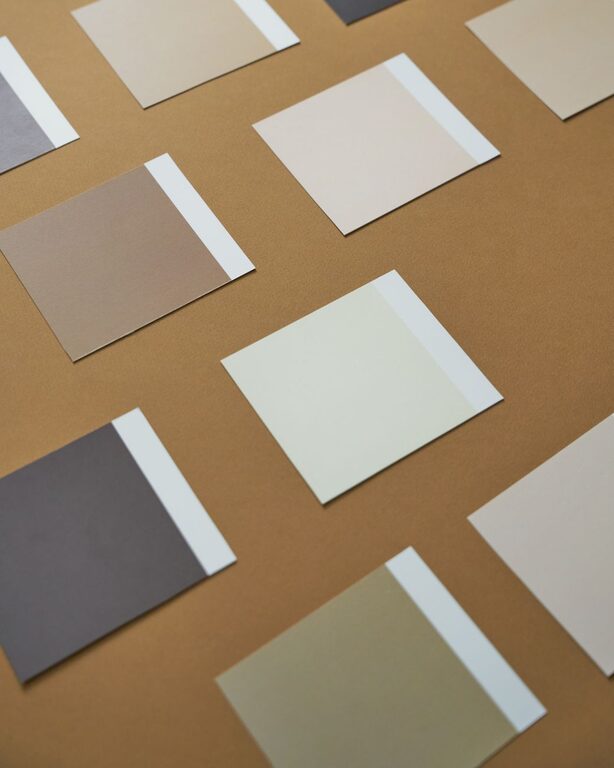
Always test paint colors before committing to a full room. Place samples on more than one wall and observe them in the morning, afternoon, and evening. Look at them with the room’s lamps turned on as well as with natural light.
Paint a large sample board or use removable sample sheets when possible. Small color cards can be useful, but they may not show how a shade will look across a larger surface.
Build a Simple Color Palette
A calm home usually benefits from a limited color palette. This does not mean every room must look identical. Instead, choose a few related colors that flow naturally from one space to another.
A simple palette can include:
- **A main color:** Use this on most walls or larger surfaces.
- **A supporting color:** Add it through furniture, curtains, rugs, or an accent wall.
- **An accent color:** Use small amounts in artwork, pillows, throws, or decorative objects.
For example, warm white walls can work with pale sage green furniture and small touches of natural wood. Another option is soft gray walls paired with cream textiles and muted blue accessories.
Repeating colors throughout the home can make the space feel connected. You do not need to use the exact same shade in every room. Similar tones are often enough to create a smooth transition.
Choose Between Cool and Warm Neutrals
Neutral colors are a popular choice for calm interiors because they provide a flexible background. However, not all neutrals create the same feeling.
Cool neutrals, such as blue-gray, cool white, and some pale taupe shades, can make a room feel crisp and open. They often work well in contemporary spaces or rooms with warm lighting.
Warm neutrals, such as cream, oatmeal, beige, and greige, can make a space feel softer and more comfortable. They are especially useful in bedrooms, living rooms, and rooms with limited sunlight.
When comparing neutral colors, place the samples next to your flooring, cabinets, and large pieces of furniture. A white with a cool undertone may look noticeably blue beside warm wood floors. Checking colors together helps you avoid unwanted contrasts.
Use Nature as Inspiration
Natural colors are often easy to live with because they feel familiar and gentle. Look to elements such as sand, stone, clouds, leaves, water, and wood for inspiration.
A nature-inspired palette might include:
– Soft clay
– Misty blue
– Olive green
– Warm sand
– Mushroom gray
– Creamy white
– Light wood tones
These colors can be mixed without creating too much visual tension. Natural materials, such as rattan, linen, cotton, wool, and wood, can further support a calm atmosphere.
You can also use houseplants, woven baskets, ceramic pieces, or landscape artwork to reinforce the connection with nature.
Think About Saturation and Brightness
When choosing a calm color, pay attention to its intensity. Highly saturated colors are vivid and energetic, while muted colors contain more gray or white and tend to feel softer.
A muted version of a color is often easier to use across a large wall. For example, dusty blue may feel more relaxing than bright blue, and sage may feel gentler than a strong emerald green.
Brightness matters too. Very pale colors can make a room feel open, but they may appear washed out in strong sunlight. Medium-light shades can provide more depth while still maintaining a peaceful look.
If you love a bold color, consider using it in a smaller way. A deeper blue chair, green cushion, or terracotta vase can add interest without changing the overall mood of the room.
Coordinate With Existing Features
Paint is only one part of a room’s color scheme. Before selecting a shade, consider permanent or expensive features, including:
– Flooring
– Countertops
– Cabinets
– Tile
– Fireplaces
– Large furniture
– Window frames
Choose colors that complement these elements rather than compete with them. If your room has warm wood floors, a soft beige or muted green may work well. If the room includes cool stone or gray tile, pale blue-gray, white, or gentle taupe may create a more balanced result.
Use fabric and material samples when possible. A color can look very different beside leather, polished metal, dark wood, or textured upholstery.
Create Calm With Contrast
A peaceful room does not have to be completely one color. A small amount of contrast can add structure and keep the space from feeling flat.
Try combining:
– Light walls with slightly darker furniture
– Soft neutral walls with natural wood
– Pale textiles with one medium-tone accent
– Warm and cool shades in similar levels of intensity
– Matte finishes with subtle texture
Avoid using too many strong contrasts in a room intended for rest. Instead, keep the differences gentle. For example, cream walls, beige curtains, and light brown furniture create definition without making the room feel busy.
Choose Colors Room by Room
Different rooms may benefit from different calm color families.
Bedrooms
Soft blue, muted green, warm white, and pale lavender can create a restful setting. Keep patterns simple and choose fabrics that add comfort without too much visual activity.
Living Rooms
Warm neutrals, gentle olive, soft gray, and muted blue can help a living room feel welcoming. Add personality with artwork, cushions, and area rugs.
Kitchens
Cream, pale gray, soft sage, and light blue can make a kitchen feel clean and relaxed. Natural wood and simple hardware can add warmth.
Bathrooms
Light blue, sea glass green, warm white, and pale stone shades can create a fresh atmosphere. Use a few darker details, such as a wood stool or matte fixture, for balance.
Keep the Overall Look Flexible
Your home should feel calm, but it should also be practical and personal. Choose colors that work with your daily routines and can adapt as your style changes.
Start with larger, long-lasting elements in versatile shades. Then use smaller accessories to introduce colors that you may want to change later. This approach makes it easier to refresh a room without repainting or replacing major furniture.
Most importantly, allow yourself time to live with a color before deciding whether it works. Calm design is not about following strict rules. It is about creating a home that feels comfortable, balanced, and welcoming to you.