A dark room can feel cozy, but it may also seem smaller, heavier, or less inviting than you would like. Fortunately, you do not need a major renovation to make the space feel brighter. Small updates to lighting, wall color, window treatments, furniture, and accessories can create a noticeable difference.
Whether the room has limited natural light or simply needs a fresh look, these practical ideas can help you create a lighter, more comfortable space.
Start With the Lighting
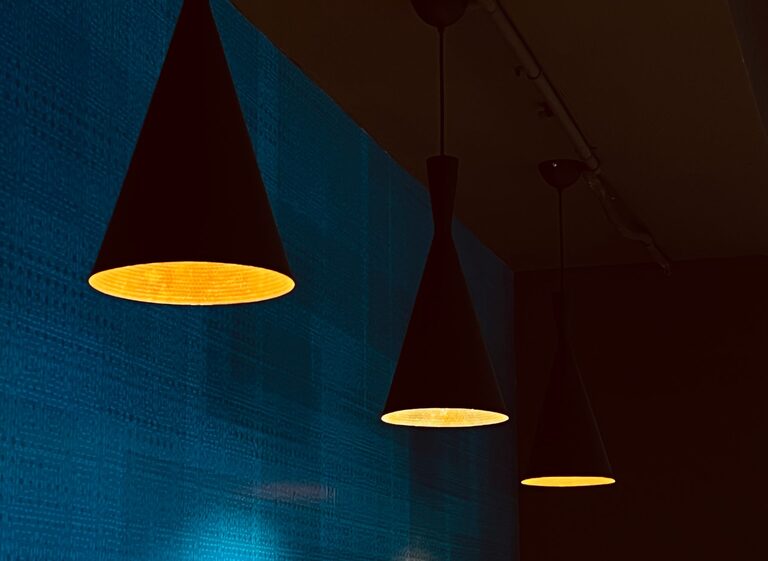
The right lighting is one of the quickest ways to brighten a dark room. Instead of relying on one ceiling fixture, use several light sources at different heights. This creates a softer, more balanced effect and helps eliminate dark corners.
Layer Your Light Sources
Try combining three types of lighting:
– Ambient lighting: General room lighting, such as a ceiling fixture or flush-mount light
– Task lighting: Focused light for reading, working, or other activities
– Accent lighting: Decorative light that highlights artwork, shelves, or architectural details
For example, pair a ceiling light with a floor lamp near a chair and a small table lamp on a side table. Even when the lights are turned on at different times, the room will feel more flexible and welcoming.
Choose bulbs with a color temperature that suits the room. Soft white bulbs can create a warm atmosphere, while neutral white bulbs may make a workspace or kitchen feel cleaner and more energetic. Use matching bulb tones when possible so the room feels consistent.
Use Mirrors to Reflect Light
Mirrors can make a room feel larger and brighter by reflecting both natural and artificial light. Place a mirror across from or beside a window to bounce daylight into the room. If there is no window in a suitable position, place a mirror near a lamp or opposite a light-colored wall.
A large mirror can become a focal point, while a group of smaller mirrors can add visual interest. Choose frames that complement the room rather than making the wall feel crowded. Simple wood, white, or metal frames often work well in a dark space.
Mirrored furniture, glass tables, and glossy decorative surfaces can also reflect light. Use these finishes selectively so the room remains comfortable instead of overly shiny.
Choose Light Wall Colors
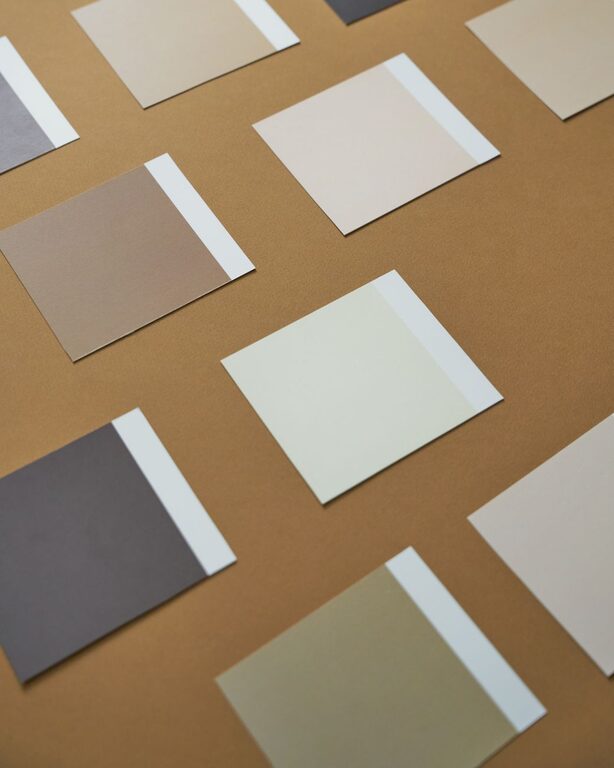
Wall color has a major effect on how bright a room appears. Light shades generally reflect more light than dark colors, helping the space feel open and airy.
Good options include:
– Warm white
– Soft cream
– Pale gray
– Light beige
– Soft blue
– Muted sage green
If the room feels cold, choose a warm white or creamy neutral instead of a stark white. If you want a hint of color, select a pale shade with a gentle undertone.
You do not necessarily need to repaint every wall. Painting the darkest wall a lighter color may be enough to improve the overall balance. You can also paint the ceiling a light shade to make it appear higher and help reflect light throughout the room.
Keep Window Treatments Light and Simple
Heavy curtains can block valuable daylight, even when they are open. Replace thick or dark panels with lightweight curtains made from cotton, linen, or another loosely woven fabric.
Sheer curtains allow sunlight to enter while still adding privacy. If you need more control over light, layer sheer panels with simple roller shades or light-colored curtains. Mount curtain rods slightly above the window frame and extend them beyond the sides. This can make the window appear larger and allow more light into the room when the curtains are open.
Keep window areas clear of tall furniture, large plants, or bulky decorations. An unobstructed window can make the room feel noticeably brighter.
Add Light-Colored Textiles
Textiles cover a large amount of visual space, so changing them can quickly transform a room. Replace dark rugs, blankets, and pillows with lighter or brighter alternatives.
Consider adding:
– A cream or light gray area rug
– White or neutral bedding
– Pale throw pillows
– Light-colored curtains
– A soft blanket in a warm accent color
Patterns can work well, especially when they include a light background. Stripes, small geometric designs, or subtle botanical patterns can add personality without making the room feel heavy.
If you already have dark furniture, light textiles can provide contrast and help balance the space.
Rearrange the Furniture
Furniture placement affects how much light can travel through a room. Avoid placing large pieces directly in front of windows or in the center of the main walkway. A more open arrangement allows daylight and artificial light to spread more evenly.
Try these simple adjustments:
- Move tall furniture away from windows.
- Keep a clear path from the doorway to the brightest part of the room.
- Place seating near natural light when practical.
- Use furniture with visible legs instead of solid pieces that sit directly on the floor.
- Remove items that make the room feel crowded.
You may not need to buy anything. Rearranging existing furniture can reveal unused space and help the room feel more open.
Pick Furniture With Airy Details
When adding new furniture, look for designs that do not visually close off the room. Pieces with slim legs, open shelving, glass surfaces, or lighter finishes can help maintain a sense of space.
A wooden piece in a pale finish, such as oak or maple, may feel lighter than a dark-stained alternative. Upholstered furniture in beige, ivory, light gray, or soft colors can also reduce the visual weight of the room.
Open shelving is useful for displaying books and accessories, but avoid filling every shelf. Leaving some open space allows the wall behind it to remain visible and prevents a cluttered appearance.
Use Plants and Natural Details
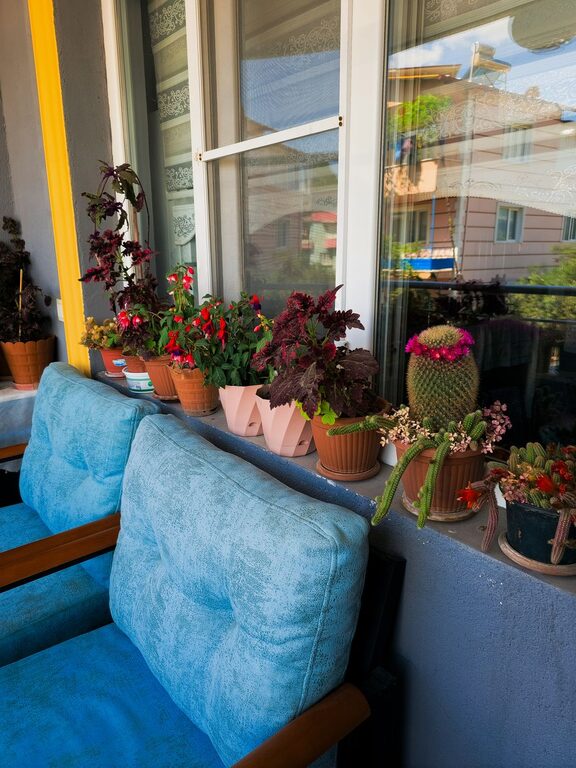
Plants can brighten a room by adding color, texture, and a sense of freshness. For a darker room, choose plants that suit the available light. If natural light is very limited, high-quality artificial plants can provide a similar decorative effect without requiring a sunny location.
Place a plant near a window, on a shelf, or in an empty corner. Light-colored pots made from ceramic, woven materials, or pale wood can add even more brightness.
Natural details such as woven baskets, light wood accents, and cotton fabrics can make a room feel warm without adding visual heaviness.
Reduce Clutter
Clutter can make a dark room feel even smaller. Clear surfaces, organize loose items, and keep decorative objects to a manageable number. A tidy room reflects light more effectively and feels easier to use.
Start with visible areas such as:
– Coffee tables
– Nightstands
– Open shelves
– Window ledges
– Entryway surfaces
Use baskets, boxes, and closed storage to keep everyday items organized. Then choose a few favorite pieces to display rather than showing everything at once.
Add Bright Accents
A mostly neutral room can benefit from a few cheerful accents. Use color in small, intentional ways through artwork, pillows, vases, rugs, or decorative objects.
Bright yellow, coral, sky blue, green, or warm terracotta can add energy without overwhelming the space. Repeat one or two accent colors in different areas so the room feels coordinated.
Artwork with a light background can also draw attention and make the walls feel more lively. Position it where it can be seen easily and illuminated by natural or artificial light.
Make Small Changes First
You do not have to complete every update at once. Start with the easiest improvements, such as changing bulbs, moving furniture, cleaning windows, or adding a mirror. Then consider new textiles, wall color, or storage as your budget and time allow.
The best results usually come from combining several simple ideas. Better lighting, lighter fabrics, an uncluttered layout, and reflective surfaces can work together to make a dark room feel brighter, more spacious, and more comfortable.