
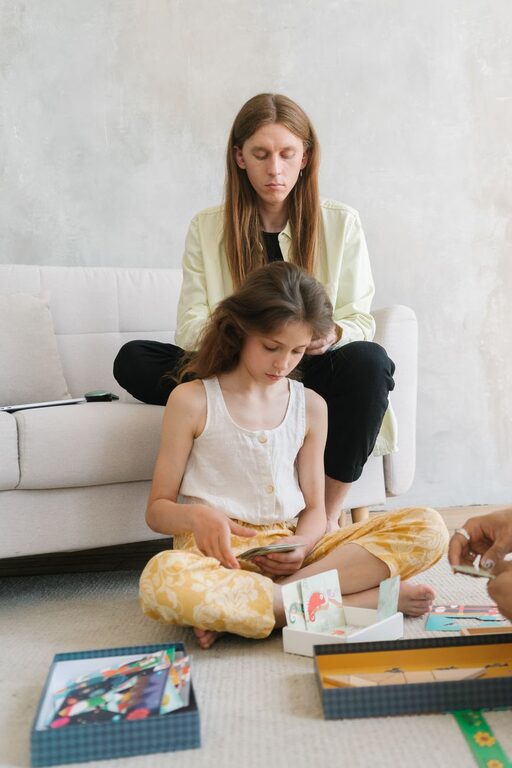
A family game night is an easy way to spend meaningful time together without leaving home. With a few simple games, snacks, and a little planning, you can create an evening that works for different ages and interests.
The best game nights are not about winning every round. They are about laughing, talking, and enjoying time together. Whether your family likes cards, board games, puzzles, or creative challenges, these ideas can help you plan a fun night that everyone will remember.
Choose Games for Different Ages
Before game night begins, think about the ages, attention spans, and interests of the people playing. A game that works well for older children may be too complicated for younger players, while a very simple game may not hold an adult’s attention for long.
Try to choose a mix of games, such as:
– A quick game that takes 10 to 15 minutes
– A group game that everyone can play together
– A creative game involving drawing, acting, or storytelling
– A longer strategy game for players who enjoy a challenge
– A quiet activity, such as a puzzle or word game
It is also helpful to explain the rules before starting. If a game has many instructions, play a short practice round first. This gives everyone a chance to learn without feeling pressured.
Classic Board Game Night
Classic board games are popular for a reason. They are easy to find, simple to set up, and often bring back happy memories for parents and grandparents.
Set up a small selection of games before the evening starts. Some families may enjoy word games, matching games, trivia, or games that involve moving pieces around a board. Let each person choose one game during the night so everyone gets a turn to select an activity.
To keep the evening moving, set a time limit for each game. For example, play for 30 minutes and then decide whether to continue or switch to something new. This works especially well when family members have different favorite games.
For younger children, consider choosing games with:
– Simple rules
– Bright colors
– Short playing times
– Opportunities to practice counting or matching
– Cooperative play instead of competition
Try Cooperative Games
In a cooperative game, players work together toward a shared goal. These games can be a great choice when younger children become frustrated by losing or when the family wants a more relaxed experience.
Players might work together to complete a puzzle, solve a mystery, finish a challenge, or reach a goal before time runs out. Cooperative play encourages communication and gives everyone a role.
You can also turn almost any activity into a team challenge. Divide the family into small groups and ask each team to build something, solve a riddle, or complete a creative task. Change the teams between rounds so everyone gets to work with different family members.
Organize a Family Trivia Contest
Family trivia is easy to customize and requires very little equipment. Before game night, prepare questions about topics that everyone knows and enjoys.
Possible categories include:
– Animals
– Movies and books
– Sports and hobbies
– Food
– Nature
– Family memories
– General knowledge
– Music
Write the questions on slips of paper or use a notebook to keep score. You can ask questions aloud, or create several-choice questions for younger players.
Make the game more enjoyable by including questions for different age groups. For example, one round might focus on cartoons or favorite foods, while another includes simple facts about animals or space. Give players time to discuss answers when playing in teams.
The goal is to make questions interesting rather than difficult. A few silly questions can add extra laughter to the evening.
Add Charades and Drawing Games
Charades and drawing games are excellent choices when your family enjoys acting, guessing, and being creative. They can be played with little preparation and adapted for almost any age.
For charades, write simple ideas on small pieces of paper. Include animals, jobs, activities, and familiar characters. One player acts out the idea without speaking while the others try to guess it.
For a drawing game, one player secretly chooses a word and draws it while the rest of the group guesses. Use a kitchen timer to give each person one or two minutes.
To make younger children feel comfortable, allow players to act or draw together with a partner. You can also let players use sounds in an easier version of charades.
Create a Puzzle and Building Challenge
A puzzle night offers a quieter alternative to energetic games. Put a large jigsaw puzzle on a table and work on it together throughout the evening. You can add music in the background and take breaks for snacks or other games.
Building challenges are another fun option. Use blocks, paper cups, craft sticks, or items already available at home. Give the family a task, such as:
– Build the tallest tower
– Create a bridge that holds a small toy
– Design a dream house
– Make a vehicle that can travel across the floor
– Build something inspired by a favorite story
Set a time limit and invite everyone to explain their creation afterward. There does not need to be a single winner. The fun comes from seeing how differently each person solves the challenge.
Plan a Theme for the Evening
A simple theme can make an ordinary game night feel special. Choose a theme that matches your family’s interests and adjust the games, food, and decorations to fit.
Theme ideas include:
– Game show night
– Around the world
– Favorite book or movie
– Pajama night
– Outdoor adventure indoors
– Color-themed night
– Mystery night
– Retro game night
For a game show theme, create teams, use a bell or clap for answers, and announce each round. For a mystery theme, hide clues around the room and invite players to solve a simple puzzle together.
The theme does not need to be complicated. A few decorations, a special snack, or a dress-up idea can be enough.
Serve Easy Snacks and Drinks
Snacks help make game night feel like an event, but they should be easy to eat without making a mess. Choose foods that can be prepared ahead of time and served in small portions.
Good options include:
– Popcorn
– Fruit slices
– Vegetable sticks
– Pretzels
– Crackers and cheese
– Mini sandwiches
– Cookies
– Homemade trail mix
Use small bowls or individual cups to keep food away from game pieces. Keep drinks in spill-resistant cups, especially when playing near cards, boards, or electronics.
You can also let family members create their own snack mix. Offer a few ingredients and invite everyone to choose a combination. This adds another activity to the evening and gives each person something personalized.
Keep the Atmosphere Positive
Not every player enjoys competition, and some games can become frustrating. Set a friendly tone before starting by reminding everyone to take turns, follow the rules, and be respectful.
If a game is not working, switch activities instead of forcing everyone to continue. You can also adjust the rules to make the game shorter or easier. For example, give younger players extra time, allow teamwork, or skip complicated scoring.
Make sure every person has a chance to participate. Someone who does not want to play a board game might enjoy keeping score, choosing music, preparing snacks, or taking pictures of the evening.
End with a Family Favorite
Finish the night with an activity that most people enjoy. This might be a quick card game, a family trivia round, a shared puzzle, or a favorite story.
You can also create a simple tradition, such as choosing the next game night theme, taking a group photo, or giving each person a fun title like “Best Team Player” or “Most Creative Builder.”
With a little variety and a relaxed attitude, family game night can become a regular tradition. The most important part is creating time to connect, laugh, and enjoy one another’s company at home.