
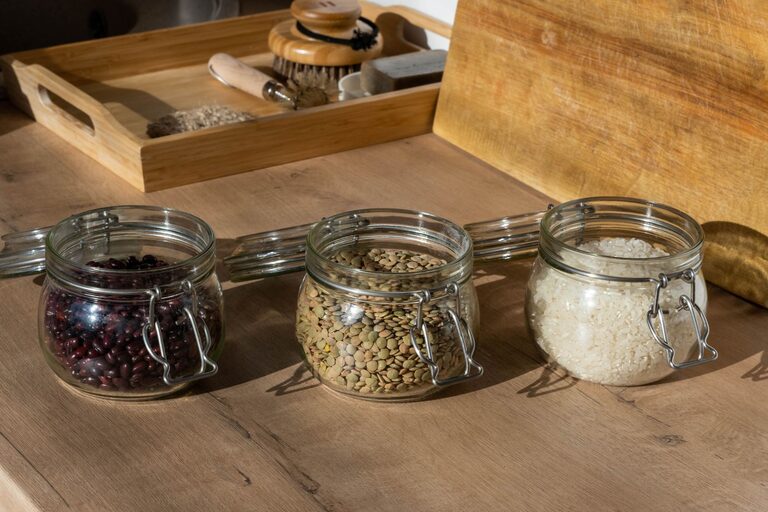
Planning meals from pantry staples is a practical way to save time, reduce food waste, and make cooking feel easier. A well-stocked pantry does not need to contain dozens of specialty ingredients. With a few reliable basics, you can create filling meals by combining shelf-stable foods with fresh or frozen ingredients.
The key is to plan around what you already have instead of starting with a list of recipes. This approach helps you use ingredients efficiently and gives you more flexibility when plans change.
What Counts as a Pantry Staple?
Pantry staples are ingredients that store well and can be used in many different meals. They often form the base of a dish rather than serving as the main feature.
Common examples include:
– Rice, pasta, oats, and other grains
– Canned beans, lentils, tomatoes, and vegetables
– Dried beans, peas, and lentils
– Flour, cornmeal, and breadcrumbs
– Broth, stock, and canned coconut milk
– Peanut butter and other nut or seed butters
– Cooking oils, vinegar, and basic sauces
– Herbs, spices, and seasoning blends
– Shelf-stable milk or powdered milk
– Canned tuna, chicken, or other proteins
You can also include long-lasting foods such as onions, garlic, potatoes, carrots, and winter squash. These ingredients are not always considered pantry items, but they can often be stored for several weeks in a cool, dry place.
Start With a Pantry Inventory
Before planning meals, take a quick inventory of your kitchen. Check the pantry, refrigerator, freezer, and any other food storage areas. Write down what you have and note items that should be used soon.
Organize your list into simple categories:
– Grains and starches
– Protein sources
– Canned and jarred foods
– Fruits and vegetables
– Dairy and alternatives
– Sauces, seasonings, and baking ingredients
Pay attention to quantities. Knowing that you have one can of beans is different from having four cans. Also check dates and place older items toward the front so they are easier to use first.
An inventory does not need to be perfect. Even a five-minute review can prevent duplicate purchases and help you see possible meal combinations.
Use a Simple Meal-Building Formula
A helpful way to plan meals is to combine four basic parts:
- **A base:** rice, pasta, bread, potatoes, oats, or another grain
- **A protein:** beans, lentils, eggs, canned fish, tofu, nuts, or seeds
- **A vegetable or fruit:** fresh, frozen, or canned
- **A flavor element:** herbs, spices, sauce, cheese, or a dressing
For example, rice, canned black beans, frozen corn, and salsa can become a bowl. Pasta, canned tomatoes, white beans, and Italian seasoning can become a simple skillet meal. Oats, peanut butter, cinnamon, and a banana can make a quick breakfast.
This formula keeps meals balanced and makes substitutions easier. If you do not have broccoli, you can use peas. If you are out of rice, try pasta, potatoes, or bread.
Plan Around Flexible Ingredients
Some foods can be used in several different ways. These ingredients are especially useful when building a pantry-based meal plan.
Rice and Other Grains
Rice can serve as a side dish, bowl base, filling, or ingredient in soup. Other useful grains include quinoa, barley, couscous, and bulgur. Cooked grains can usually be used across several meals, which makes them convenient for batch cooking.
Canned Beans and Lentils
Beans and lentils add texture and protein to soups, salads, pasta dishes, tacos, and grain bowls. Rinse canned beans before using them to remove excess liquid and improve their flavor.
Canned Tomatoes
Canned tomatoes are useful for pasta sauce, chili, soup, shakshuka-style dishes, and braised vegetables. Keep several forms on hand, such as diced tomatoes, crushed tomatoes, and tomato paste.
Frozen Vegetables
Frozen vegetables are easy to store and can be added to stir-fries, soups, casseroles, rice dishes, and pasta. They are also helpful when fresh produce is limited or needs to be used quickly.
Eggs
Eggs can turn simple ingredients into a complete meal. Use them in fried rice, frittatas, breakfast sandwiches, grain bowls, or dishes made with leftover vegetables.
Create a Weekly Meal Map
Once you know what you have, make a simple meal map for the week. You do not need to plan every detail. Assign a general meal idea to each day and leave room for leftovers.
For example:
– Monday: Bean and rice bowls
– Tuesday: Tomato and lentil pasta
– Wednesday: Leftover bowls or soup
– Thursday: Egg and vegetable fried rice
– Friday: Pantry pizza or flatbreads
– Saturday: Potato and bean skillet
– Sunday: Flexible meal using remaining ingredients
Planning leftovers is just as important as planning new meals. A large pot of beans, rice, soup, or roasted vegetables can provide the base for multiple meals without making the week feel repetitive.
Cook Components Instead of Complete Meals
Preparing individual components gives you more choices during the week. Instead of making seven finished meals, cook a few ingredients that can be combined in different ways.
Useful components include:
– A pot of rice, pasta, or another grain
– Roasted or steamed vegetables
– Cooked beans or lentils
– A simple tomato sauce
– Hard-boiled eggs
– A versatile dressing or sauce
– Shredded cheese or chopped herbs
For example, cooked lentils can be added to soup, served over rice, mixed into a salad, or folded into a tomato sauce. Preparing components also makes it easier to adjust meals based on your schedule.
Build Flavor With Basic Seasonings
Pantry meals can taste varied when you use different seasoning combinations. A few simple flavor directions can transform the same ingredients.
Mediterranean-Inspired
Try olive oil, garlic, oregano, basil, lemon juice, and a little cheese or yogurt.
Mexican-Inspired
Use chili powder, cumin, garlic, salsa, lime juice, and cilantro if available.
Asian-Inspired
Combine soy sauce, sesame oil, ginger, garlic, rice vinegar, and a small amount of honey or brown sugar.
Warm and Hearty
Use paprika, black pepper, thyme, rosemary, broth, and tomato paste.
You do not need to follow a specific recipe to use these combinations. Add seasonings gradually and taste as you go.
Make a Short Shopping List
After reviewing your pantry and creating a meal map, buy only the items needed to complete the plan. Focus on fresh foods that add variety and balance to your existing ingredients.
A useful shopping list may include:
– Fresh fruit
– Salad greens or other quick-cooking vegetables
– Milk, yogurt, or cheese
– Eggs or another protein
– Fresh herbs, lemons, or limes
– Bread or tortillas
– One or two vegetables that can be used in several meals
Choose ingredients that overlap between recipes. For example, spinach can be used in eggs, pasta, soup, and smoothies. Carrots can go into salads, soups, grain bowls, and roasted vegetable dishes.
Use Older Ingredients First
To reduce waste, plan meals around foods that are closest to their quality date. Opened packages, half-used sauces, and nearly ripe produce should receive priority.
Try a weekly “use-it-up” meal such as:
– A soup made from leftover vegetables and canned beans
– Fried rice with cooked grains and small amounts of produce
– Pasta with tomato sauce and remaining vegetables
– A frittata with eggs, cheese, and assorted leftovers
– A grain bowl with a simple dressing
These meals do not have to be identical each time. Their purpose is to use small amounts of ingredients before they are forgotten.
Keep the System Flexible
Meal planning from pantry staples works best when it supports your routine rather than creating extra pressure. Leave one or two meals open each week for leftovers, takeout, unexpected schedule changes, or ingredients that need attention.
You can also create a list of quick backup meals, such as:
– Peanut butter and banana oatmeal
– Bean and cheese quesadillas
– Tomato soup with toast
– Tuna or chickpea salad sandwiches
– Pasta with garlic, oil, and frozen vegetables
– Rice topped with eggs and salsa
With a simple inventory, a flexible meal formula, and a few reliable ingredients, pantry meal planning becomes easier over time. The goal is not to make every meal elaborate. It is to make good use of what you have while keeping cooking practical, varied, and manageable.