
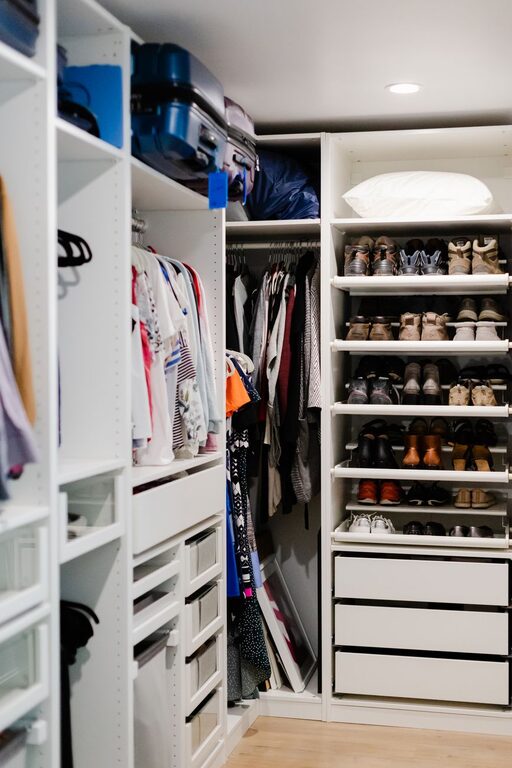
A tidy closet can make everyday routines feel easier. When clothing, shoes, and accessories have clear places, you spend less time searching and more time getting ready. The key is not simply organizing everything once. A closet stays organized when the system is easy to use and matches your habits.
Whether you have a large walk-in closet or a small reach-in space, a few thoughtful changes can make a noticeable difference. Use these tips to create a closet that looks neat, works well, and is easier to maintain.
Start With a Complete Closet Reset
Before adding storage containers or rearranging hangers, remove everything from the closet. Working with an empty space helps you see what you have and gives you a fresh starting point.
Place your clothing, shoes, and accessories in a clear area. Then sort each item into simple groups:
- Keep and wear regularly
- Store for another season
- Repair or alter
- Donate or give away
- Recycle or discard
Be honest about what you use. If an item no longer fits, feels uncomfortable, or has not been worn in a long time, it may not need to stay in your main closet. Avoid keeping items simply because they were expensive or because you might wear them someday.
Use a Simple Decision Process
When you are unsure about an item, ask yourself a few questions:
- Does it fit well right now?
- Have I worn it within the past year?
- Can I create at least one outfit with it?
- Is it in good enough condition to wear?
- Would I choose to buy it again today?
You do not need to make every decision quickly. Place uncertain items in a separate box and review them again after a few weeks. If you do not miss them, they may be ready to leave your closet.
Group Similar Items Together
Once you have decided what to keep, organize items by type. Keep shirts with shirts, pants with pants, and jackets with jackets. This makes it easier to find what you need and quickly notice where something belongs.
You can divide categories even further based on your preferences. For example, shirts may be grouped into short-sleeve, long-sleeve, work, and casual clothing. Avoid creating too many categories, however. The system should save time rather than make putting clothes away feel like a chore.
For hanging clothes, choose one sorting method and use it consistently. You might arrange clothing by:
- Type of garment
- Color
- Season
- How often you wear each item
A practical approach is to group by garment type first and then use color within each group. This creates a neat visual layout without making the closet too complicated.
Make the Most of Your Closet Space
Good organization uses the space you have without overcrowding it. If clothing is packed tightly together, items become difficult to see and may wrinkle more easily. Leave enough room between groups so you can browse comfortably.
Try these space-saving ideas:
- Use matching slim hangers to create more hanging room.
- Fold sweaters and heavier knits instead of hanging them.
- Use shelf dividers to keep stacks from leaning.
- Add a hanging organizer for small accessories.
- Place frequently used items at eye level.
- Use the floor for shoes or a low storage bench.
- Store rarely used items on higher shelves.
Make use of vertical space when possible. An extra shelf, a second hanging rod, or hooks on the back of a door can provide useful storage without taking up more floor space. Choose additions that fit securely and leave the closet easy to access.
Store Items Based on Frequency of Use
Keep everyday clothing where it is easiest to reach. Special occasion outfits, seasonal accessories, and luggage can go in less convenient areas. This simple arrangement reduces daily clutter because the items you use most are always within reach.
If you rotate clothing by season, store off-season items in labeled bins or breathable garment bags. Before putting them away, wash or clean them according to their care instructions. Make sure everything is fully dry to help prevent unpleasant odors.
Organize Shoes and Accessories
Shoes and accessories can quickly make a closet look untidy because they come in different shapes and sizes. Give each category a defined home.
Keep shoes together on a rack, shelf, or low cabinet. Arrange them in pairs and place the pairs you wear most often near the front. If you use boxes, label them clearly or choose transparent containers so you can identify the contents without opening every box.
For accessories, use small trays, hooks, or divided drawers. Keep belts, scarves, hats, and bags separated so they do not become tangled. A few well-placed hooks can be especially useful for items you reach for often.
Do not fill every container to its maximum capacity. Leave a little open space so items can be returned easily. Overfilled storage often leads to piles, misplaced items, and damaged accessories.
Create a System for Laundry and Worn Clothing
A closet can become messy when worn clothing has no designated place. Add a laundry hamper nearby, or use a small basket for clothes that are not ready to be washed but should not go back with clean items.
Choose a hamper with enough capacity for your routine, but not so large that it encourages a long buildup of laundry. If you sort laundry by color or fabric, use separate sections or clearly marked bags.
When clean laundry is put away, return every item to its assigned location. Hanging clothes immediately and folding items as soon as possible prevents clean laundry from becoming a new pile on the floor or bed.
Use Labels and Visible Storage
Labels are helpful for shelves, bins, and boxes, especially when storing seasonal clothing or household items. Use short, clear labels such as “winter scarves,” “work clothes,” or “travel bags.”
Visible storage can also make maintenance easier. Open baskets and clear containers help you see what you own, while opaque containers create a cleaner appearance for items that do not need to be viewed often. Use a combination that suits your space and your preference.
Build Small Habits That Keep the Closet Tidy
Organization lasts when it becomes part of your normal routine. You do not need to spend hours maintaining your closet. A few small habits can prevent clutter from returning.
- Put clothing away after each laundry cycle.
- Return shoes and accessories to their assigned places.
- Hang or fold clothing instead of leaving it on a chair.
- Remove one unused item whenever you add several new ones.
- Do a five-minute closet reset at the end of each week.
- Review seasonal items before storing them.
Make the weekly reset simple. Straighten hangers, refold loose stacks, return shoes to their places, and remove anything that does not belong. Small, regular adjustments are easier than a major cleanup after weeks of neglect.
Review the Closet Regularly
Your storage needs may change as your schedule, lifestyle, or wardrobe changes. Review the closet every few months to make sure the current arrangement still works. You may discover that some items are no longer useful or that a different layout would be more practical.
A well-organized closet does not have to look perfect. It should help you find what you need, make it easy to put things away, and provide enough space for the items you actually use. Start with a clear-out, give everything a home, and maintain the system with small daily habits. With a little consistency, a tidy closet can stay that way.